

For Joan Bebronne, creativity has never belonged to just one discipline. After 25 years in the lingerie industry, the Belgian designer turned her long-standing passion for architecture, materials and objects into her own design practice, Mademoiselle Jo. Today, she works across glass, wood, stone, metal and leather, creating distinctive pieces that are made to last, adapt to different interiors and invite people to use them in their own way.
At the heart of her current work is glass, particularly Murano glass, whose changing reflections and shadows make her objects evolve with the light throughout the day. We spoke to Joan about the influence of fashion on her design process, working with craftspeople across Europe, the importance of timelessness and why being different does not necessarily mean being loud.
Joan, creativity seems to be the common thread running through your career. How did you make the move from fashion and lingerie design into furniture and objects?
I’ve always been drawn to creativity in all its forms. For me, it doesn’t really matter whether it’s furniture, jewellery, shoes, kitchens or music.
I initially studied fashion design and spent 25 years working in the lingerie industry. Alongside that, I was always drawn to architecture and interiors. I renovated several houses as a personal project, designing not only the spaces but also furniture and other elements myself. Over time, I realised that this was more than just a hobby. It was another way of expressing my creativity. After 25 years in lingerie, I felt ready for a new chapter. I wanted to create objects with a strong identity – pieces that feel poetic, unexpected and a little different from what you see everywhere else.

Your years in lingerie were very different from designing furniture. What has stayed with you from that time?
A very strong sense of detail. When you design a bra, for example, a piece of just 15 by ten centimetres can contain more than 25 different materials. Everything has to be precise: the colours have to match, the materials have to work together. If they don’t, the result isn’t beautiful and it isn’t successful.
I still work with that level of attention today. Sometimes production doesn’t turn out exactly as you imagined, but I always try to get as close as possible to the original idea.
Where do your ideas usually begin?
Most of the time, they come from a material or from an everyday situation. Visiting an artisan can also trigger a lot of ideas and emotions. Very often, it’s the material itself or a technique that inspires me.
That’s also why I don’t start with a completely blank page and say, “I’m designing a chair.” I start with an idea, but then I follow where the process takes me. When I discover a technique, I think about what I can create with it.
Your work combines a very reduced aesthetic with something playful and poetic. What makes a design successful for you?
For me, timelessness is very important. I like designs that can be passed on to another generation. I have, for example, a light by Ingo Maurer at home that I’ve loved for decades. I want an object to be something you continue to like year after year, rather than something you replace when a trend changes.
That’s why the shape sometimes needs to be quite pure. And the material has to be strong. If you want to keep something for 100 years, you need a material that can continue through the years.
Glass plays a major role in your current work. What fascinates you about it?
I work with many materials, including wood, stone, metal, leather and glass. Each one has its own particular qualities. With glass, I particularly love the way it interacts with light. You have the shape of the object, and then the light creates another colour and another shape on the floor or on the wall. It changes throughout the day. The object almost evolves because of the light. I really love this relationship between light, shadow and reflection. If I were a painter, I think I would work with light on objects, reflection and shadow, because everything is constantly moving.
You discovered Murano glass through a rather unexpected encounter. How did that come about?
A woman I met at Maison & Objet had seen what I was doing and told me that, if I ever wanted to work with glass, she could introduce me to people in Murano. So I went there to visit the artisans.
Originally, I wanted to create something quite different, but the technique and the people I met gave me many new ideas. I became particularly interested in cast glass and the way the material reflected the light. At the same time, I wanted to work with different shapes and colours without relying too heavily on expensive moulds.


So the material doesn’t simply follow your design. It actually becomes part of the design process?
Exactly. I let the technique guide me. When I understand what a particular technique can do, I start thinking about what kind of design is possible with it.
Colour is also a very important part of my work. I develop my own colours throughout the collections, not only for glass. Choosing the right colour, the right gradient and how different colours work together is one of the most interesting parts of the job for me.


You also develop your ideas physically, rather than relying on digital 3D modelling. Why is that important to you?
Because I need to see the shape and the proportions in real life. I don’t work with a 3D design programme. I create my designs in 3D, but physically, using cardboard, foam or similar materials.
That comes from my fashion background. When I was designing clothes, I often worked directly on the body rather than drawing everything flat on paper. That allows you to understand the volume and proportions much better. It’s also important because development costs are high. I need to be quite sure about a project before I start developing it.
Many of your objects can be used or arranged in different ways. Why is this flexibility important to you?
I want everyone who buys one of my objects to be able to use it differently in their own interior and atmosphere. I’m not particularly interested in people following a trend. I like the idea that they choose something because they really like it and then make it their own.
I do the same thing myself. If I buy an object, I might change something about it or use it differently from how it was originally intended. So I try to give people the opportunity to adapt my designs to their own space. My furniture can work in a very traditional house, in a modern loft or somewhere completely different. It depends on how you make the object part of your own environment.
You work with craftspeople in Belgium and across Europe. What does that collaboration mean to you?
First of all, the artisans have to believe in the project. They have to like it and want to work on it. Otherwise, it’s not possible to go further.
My products are very different, so I need different specialists for glass, stone, metal, wood, leather and painting. There isn’t one factory that can do everything. Everyone has their own speciality.
I usually meet people directly in their ateliers. I explain the project, what I expect and why the small series mean that everything has to be very precise. I really enjoy meeting people who work with materials, whether they use their hands or machinery. I’m not interested in just one field. I like discovering what different materials and techniques can become when you use them in a different way.

Your work was recognised with the BLICKFANG Zurich Future Forward Award. What did that recognition mean to you?
I was so happy that BLICKFANG recognised my work.
The timing was also perfect because I want to enter the Swiss market. I don’t have many shops in Zurich, so BLICKFANG is a great opportunity to show what I’m doing to people there, meet them and understand what they like and what they’re looking for.


Is there one piece that is particularly close to your heart?
It’s difficult to choose, but I would say the Toupy.
It’s a suspended table that comes down from the ceiling and gives you a place to put your keys, glasses or whatever you want. There is really nothing else like it on the market, at least as far as I know. I hope I stay the only one doing it.
What I like about it is that it structures a room in a different way. Most tables come from the floor, so we already have a lot of things occupying the floor. Sometimes it’s good to structure a space from the ceiling instead.
You can use the Toupy next to a bed, beside a sofa, in an entrance, in a shop window or at an office desk. It’s a very flexible object.
If you want to experience Joans work in person, you’ll soon have the chance: Mademoiselle Jo will be exhibiting at BLICKFANG Zürich from 20 to 22 November 2026 at Kongresshaus. She’ll be bringing her latest designs to Zurich and, with them, her distinctive approach to materials, light and timeless design. For Joan, BLICKFANG is not only an opportunity to present her work, but also a chance to meet people, hear their reactions and discover what resonates with them. Get your tickets now!
Czech Design at BLICKFANG Vienna
BLICKFANG Vienna is once again bringing international design perspectives to the Austrian capital this year. In collaboration with CzechTrade, the Czech Design special exhibition presents a curated selection of contemporary labels from the Czech Republic. From innovative product design and handcrafted porcelain to paper art, sustainable fashion, and creative play concepts, the exhibition showcases just how diverse and forward-thinking the Czech design scene is today.
Design that brings people together: Faktum Design
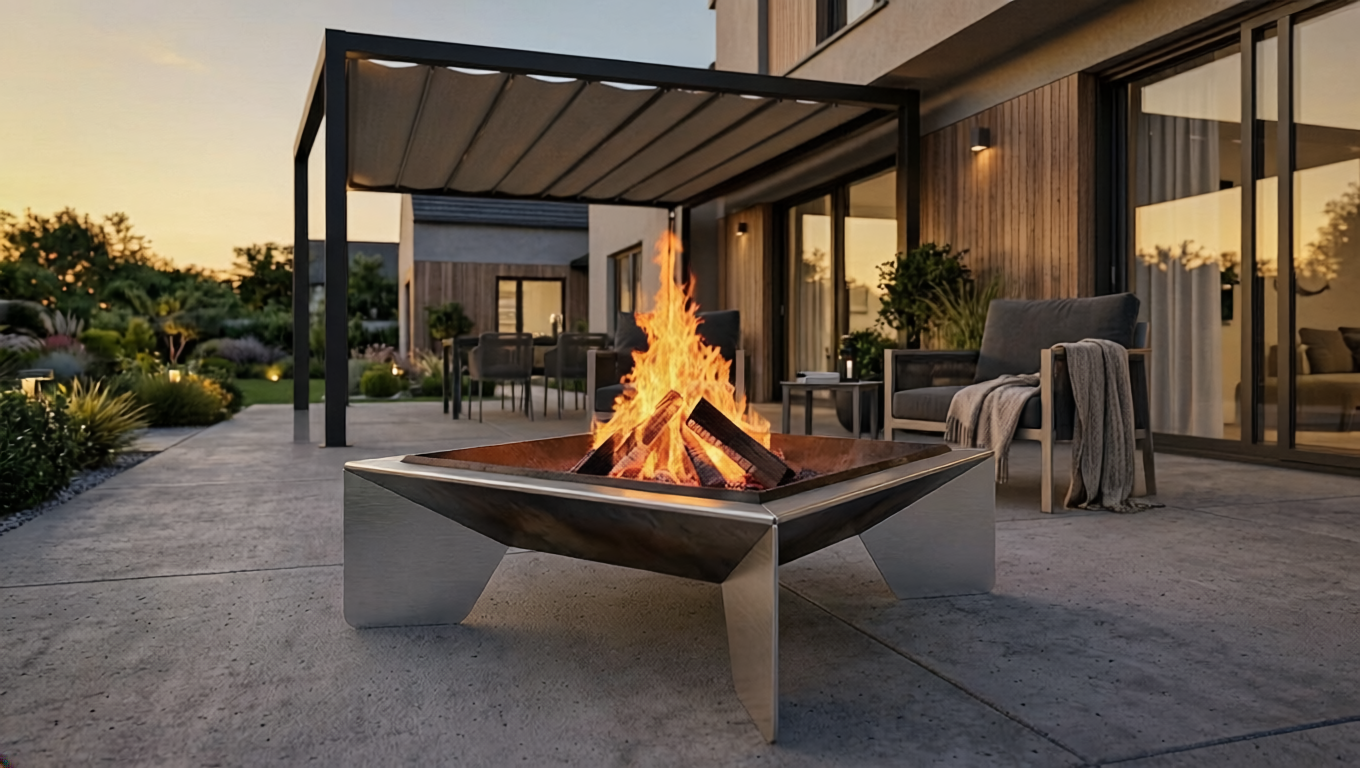
With its brand verember, Faktum Design transforms fire pits into striking design objects for outdoor spaces. Developed in Brno, the designs combine clean geometries, high-quality materials such as Corten steel and stainless steel, and precise craftsmanship to create durable companions for gardens and terraces. More than simply providing warmth, the fire pits create a place for gathering, conversation, and shared moments. Their pared-back aesthetic and thoughtful construction demonstrate how functional design can create atmosphere and enrich outdoor spaces in a truly special way.


Sustainable play: TOTEMO
The Czech label TOTEMO develops modular creative construction sets that combine play, design, and learning. The durable elements are made from recycled materials and developed in collaboration with educators and psychologists. The result is a world of play that encourages creativity, confidence, and free exploration – sustainably produced and designed to be enjoyed for many years.
Poetry in paper: PORIGAMI
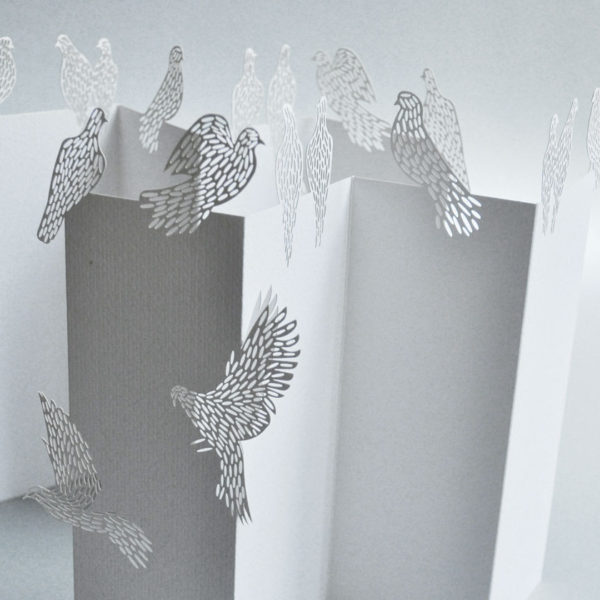
Behind PORIGAMI is architect Tereza Hradilková, who transforms simple sheets of paper into unique works of art. Using laser cutting and handmade stamps, she turns paper into poetic objects inspired by the Japanese art of GAMI. Her creations are timeless pieces that celebrate the beauty of the material and demonstrate just how delicate and intricate design can be.


Fashion with soul: Eiri
Founded by Klára Holanová, Eiri stands for timeless fashion with clean silhouettes that can feel both minimalist and sculptural. The label’s characteristic muted colours and fascinating material textures give its garments a sense of poetry, mystery, and tension. The materials are sourced primarily from Japan, as well as Italy and the Czech Republic, with quality playing a central role in the label’s philosophy. Eiri sees fashion as a storyteller – each garment is designed to resonate with the personality of the person wearing it.
Luxury Space Punk: Lucie Marková
With her distinctive style somewhere between minimalism, surrealism, and sci-fi, Lucie Marková has made her mark on the Czech fashion scene. She describes her aesthetic as “Luxury Space Punk”. Since 2024, she has increasingly focused on digital pattern-making and artistic projects that explore fashion as an expression of inner beauty. Sustainability and innovation go hand in hand throughout her work.


Feminine strength in clean lines: Josefina Bakošová
Designer Josefina Bakošová combines feminine elegance with bold cuts and an intuitive approach to design. Her collections are driven by a desire to empower women in their everyday lives, creating clothing that offers freedom of movement alongside confidence. Clean shapes, high-quality craftsmanship, and a distinctive artistic signature give her designs a particularly expressive character.
A family label from the Czech Republic: GRAZIA
GRAZIA is a Czech family label creating timeless designs for women of all ages. Its garments are produced in small series using high-quality natural materials such as linen and silk, with great care in local workshops. Sustainability, a resource-conscious zero-waste approach, and honest craftsmanship are just as central to the label as its ambition to create clothing that combines comfort, elegance, and individuality.


Tailored sustainability: Mikela da Luka
The label Mikela da Luka demonstrates how closely sustainability and individuality can be connected. The designer began with graphic T-shirt designs and has since developed a fashion label for women, men, and children. Production takes place exclusively in small workshops using locally sourced fabrics. The result is timeless fashion with clean cuts, distinctive prints, and durable materials.
Porcelain with character: Porcelanelerie
At the Prague-based manufactory Porcelanelerie, porcelain objects combine traditional craftsmanship with playful design. Tableware and jewellery are carefully handcrafted and individually painted, featuring everything from graphic patterns to floral and animal illustrations. Small variations in colour and decoration are an intentional part of the concept, making each piece a unique one-of-a-kind creation. The result is everyday objects with character – designed to bring joy and stay with you for years to come.


A showcase for contemporary Czech design
The Czech Design special exhibition highlights just how diverse and innovative the Czech design scene is today. Where traditional craftsmanship meets new technologies and sustainable production methods, products emerge with a clear design philosophy and a strong commitment to quality. Visitors to BLICKFANG Vienna can discover not only exceptional objects and fashion, but also the stories and people behind the designs.
Tickets for BLICKFANG Vienna are available here.
BLICKFANG is not only a platform for established labels, but also a springboard for the designers of tomorrow. With the Future Forward Award, presented in cooperation with the D.E.S.I.G.N. Foundation, BLICKFANG recognises emerging talents who are shaping the future of design with fresh ideas, sustainable concepts, and bold approaches.
In Vienna, two labels are receiving the award this year – both demonstrating in very different ways how innovative and forward-thinking contemporary design can be today.
RUND Biomodular Design
With RUND Biomodular Design, BLICKFANG welcomes a label that literally lets design grow. Founded by Max and Andy in Berlin, the studio develops modular furniture and interior objects made from mycelium and industrial by-products. Instead of conventional manufacturing, the focus is on a biological growth process.
The material is based on tinder fungus mycelium and hemp residues, creating a fully biodegradable composite that is lightweight, sound-absorbing, and surprisingly robust. This living material is used to create seating, acoustic panels, and other objects that bring together research, craftsmanship, and contemporary design.
RUND rethinks materials from the ground up and demonstrates how the principles of a circular economy can be both functional and aesthetically compelling. The label operates at the intersection of architecture, interior design, and material innovation, opening up new perspectives on the future of living.


Wontek
The Warsaw-based label Wontek, founded in 2025 by designer Staś Stupkiewicz, combines traditional weaving techniques with digital manufacturing. Inspired by the patterns, colours, and textures of handwoven fabrics, the studio sees 3D printing as a contemporary form of weaving: layer by layer, ornamental surfaces emerge that are both precise and surprisingly vibrant.
The collection includes customisable lighting and interior objects, all designed and manufactured in Warsaw. The label is characterised by the interplay of craft-inspired techniques, playful ornamentation, and machine precision. The result is a collection of objects that feel familiar while speaking an entirely new design language.
Wontek impressively demonstrates how digital technologies can carry traditional design ideas into the future – not as a replacement for craftsmanship, but as its creative evolution.


A Glimpse into the Future of Design
With RUND Biomodular Design and Wontek, BLICKFANG is recognising two labels that approach the future of design in very different ways: one lets furniture grow from biological materials, while the other translates centuries-old weaving traditions into the language of 3D printing. Together, they demonstrate how innovative, experimental, and poetic young design can be today.
Want to experience the Future Forward winners in person? Get your ticket now and join us at BLICKFANG Vienna!
From Design Concept to Exhibition – The Student Competition
BLICKFANG Vienna is an important platform for the next generation of designers. As part of the student competition, young creatives present their latest projects – from initial prototypes to fully developed concepts. The competition offers not only an opportunity to gain visibility, but also valuable feedback from experienced design professionals. This is where new ideas take shape, materials and functions are reimagined, and creative boundaries are pushed – making it the perfect place to discover fresh perspectives in design.


Ida Westrick: One Surface, Many Functions – “LOU”
With “LOU”, Ida Westrick has developed a wall-mounted object made from a single sheet of metal. A precise bend transforms the two-dimensional surface into a three-dimensional object, without the need for any additional components.
The design is based on a single intervention, allowing form, material, and function to work together seamlessly. Depending on the configuration, LOU becomes either a mirror with a spatial reflection or a shelf with storage space for everyday objects.
Lena Gerscher: Modular Tradition – the “Toni Sofa”
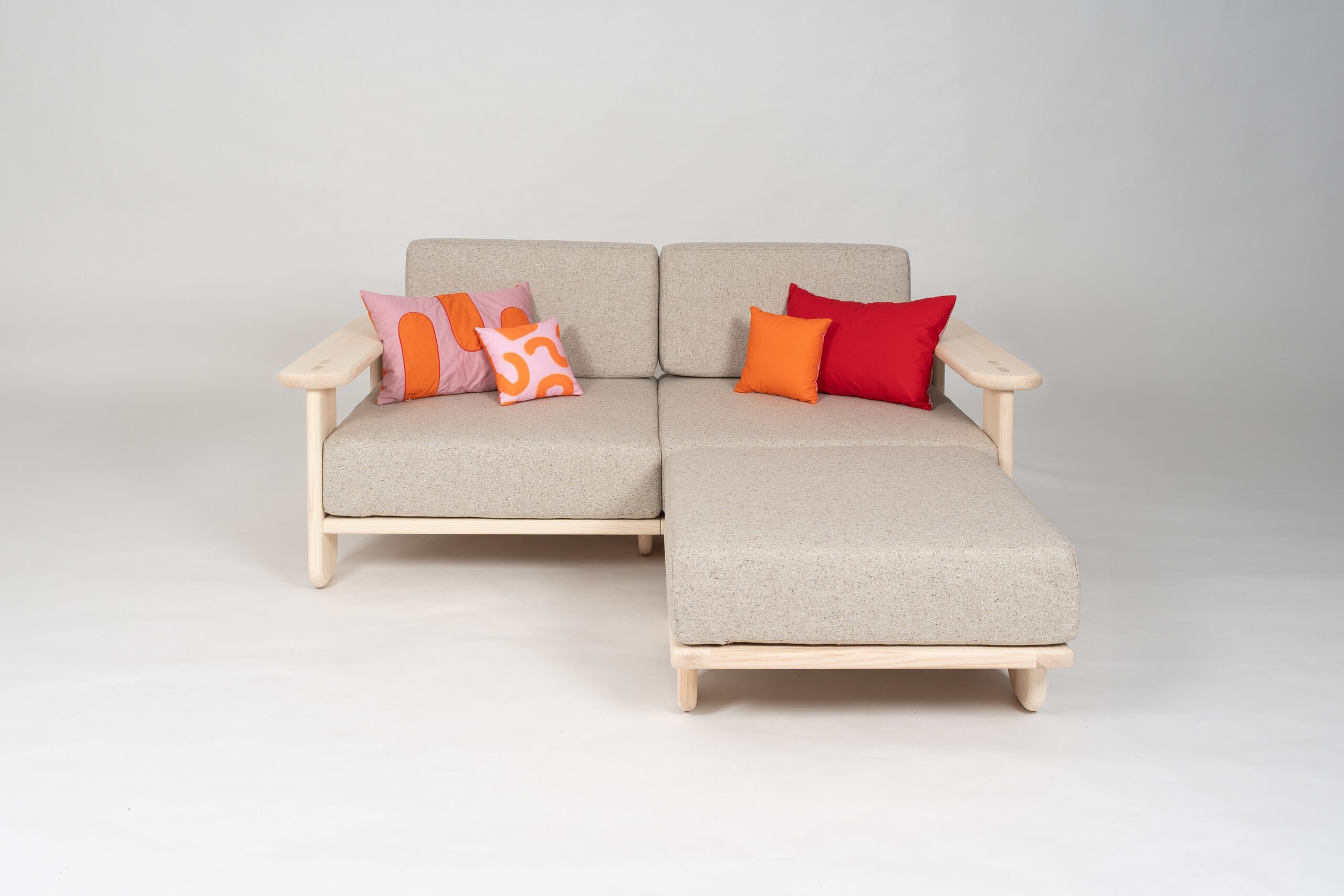
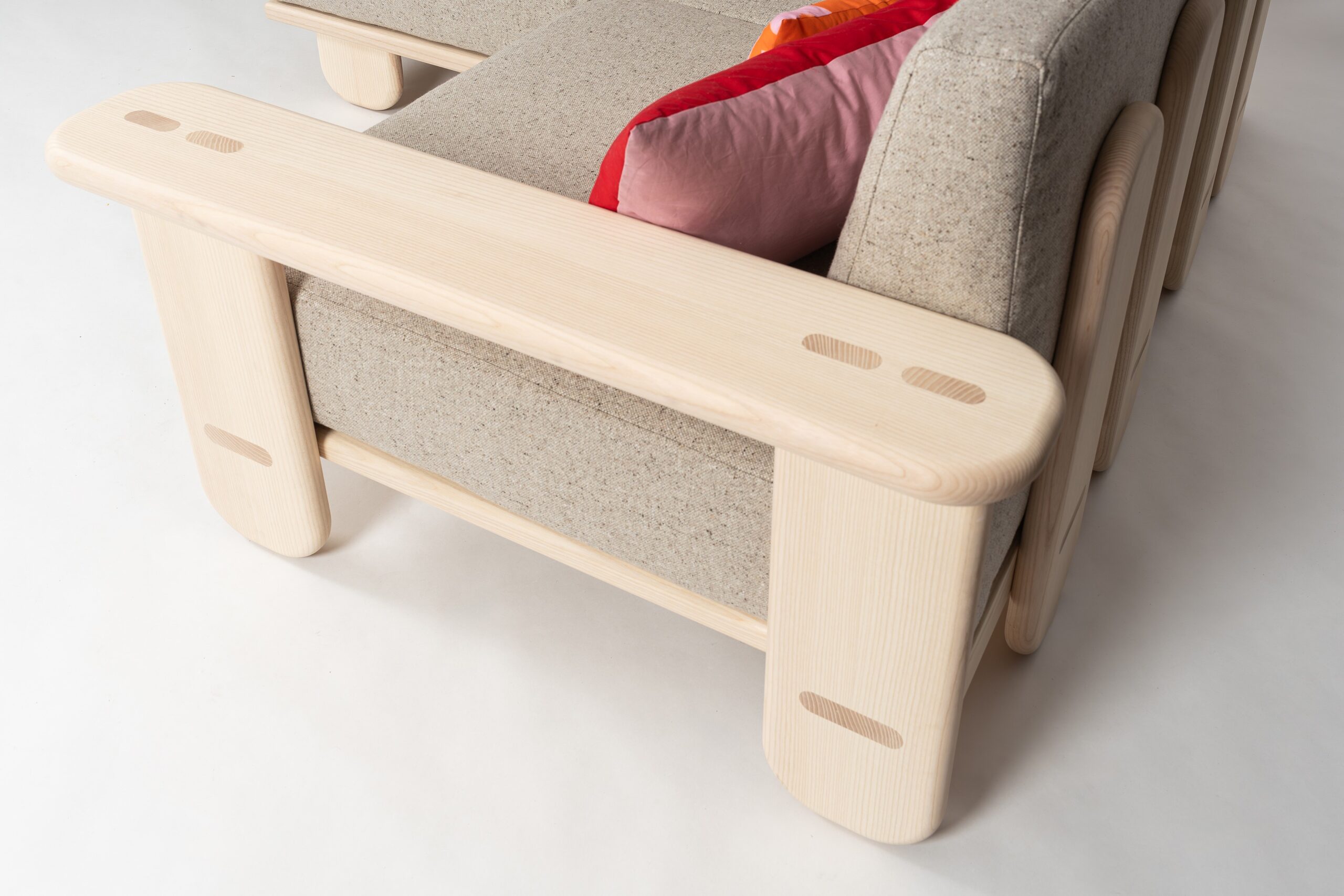
With “Toni”, Lena Gerscher from the Academy for Design of the Chamber of Crafts in Münster combines precise craftsmanship with contemporary living needs. Her modular sofa, made from white-oiled ash wood, translates the enduring quality of traditional joinery into a piece of furniture that can adapt flexibly to different lifestyles and living situations.
Visible wooden joints deliberately reveal the construction and emphasise the stability of the design. At the same time, softly rounded edges and generous curves give the solid body a surprising lightness and inviting feel. Precisely milled connectors allow the individual modules to be assembled, expanded, or rearranged without tools. “Toni” stands for thoughtful, durable design that combines craftsmanship with flexibility.


Kevin Chrzanowski: Furniture for Generations – “UNI”
With the rocking horse “UNI”, Kevin Chrzanowski challenges the short lifespan of conventional children’s furniture. His design grows with children and remains part of the home long after its original purpose has been fulfilled. Made from solid ash wood, the rocking horse can later be transformed into a stool or a sculptural piece of furniture. Clean lines, high-quality materials, and a durable design make “UNI” an object that goes far beyond its original function.
The student competition’s special exhibition is also one of the most exciting areas at BLICKFANG Vienna. This is where new ideas become visible, materials are reimagined, and creative boundaries are pushed. If you want to discover what the future of design might look like, don’t miss this area – you might even get the chance to meet the designers of tomorrow today.